Finding Your Perfect Running Shoes: A Runner’s Essential Guide
Choosing the right running shoes isn't just about comfort; it's about preventing injury, enhancing performance, and making every mile more enjoyable. With countless options flooding the market, finding your ideal pair can feel overwhelming. This guide cuts through the noise, focusing on the key factors every runner should consider before investing in their next set of footwear.
1. Know Your Foot Type & Gait: This is fundamental. Understand your arch type (high, neutral, or low/flat) and whether you overpronate (your foot rolls inward excessively), supinate (rolls outward), or have a neutral gait. Most specialty running stores offer gait analysis. The right running shoes provide stability or motion control for overpronators, neutral cushioning for neutral gaits, or flexibility for supinators.
2. Cushioning: Finding Your Sweet Spot: Cushioning absorbs impact and protects your joints. Preferences vary widely: * Maximalist:* Tons of soft cushioning for maximum shock absorption, ideal for long distances or runners seeking plush comfort. * Neutral/Moderate:* Balanced cushioning suitable for most runners with a neutral gait. * Minimalist:* Very little cushioning and a low heel-to-toe drop, promoting a natural foot strike (requires adaptation). * Racing Flats:* Ultralight, minimal cushioning for speed-focused runs and races.
3. The Right Fit is Non-Negotiable: * Size:* Feet often swell while running. Aim for a thumb's width (~1/2 inch) of space between your longest toe and the shoe's end. * Width:* Ensure the widest part of your foot comfortably fits without pinching or slippage. Shoes come in various widths. * Heel Lock:* Your heel should be snug without rubbing to prevent blisters. * Midfoot Security:* The shoe should feel secure across the top of your foot without being tight.
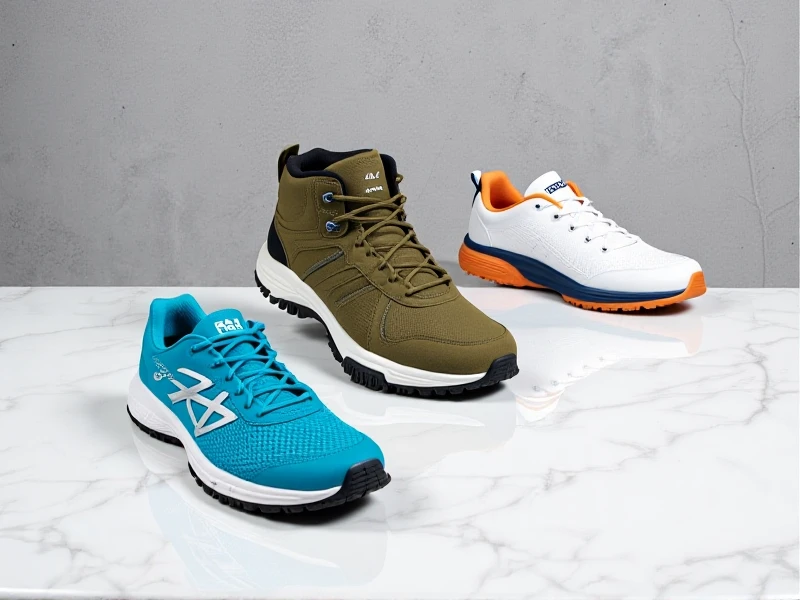
4. Consider the Terrain: * Road Shoes:* Designed for paved surfaces, lighter, with smoother soles for grip on asphalt/concrete. Most everyday running shoes fall here. * Trail Shoes:* Feature aggressive treads (lugs) for muddy, rocky, or uneven terrain, plus added protection and stability. Sturdier build to withstand off-road challenges. * Cross-Training/Hybrid:* Can handle a mix but aren't optimized for pure road running or intense trails.
5. Life Expectancy Matters: * Even high-quality running shoes break down. Expect to replace them every 300-500 miles (480-800 km). Listen to your body – persistent aches or worn-out treads signal retirement time. Rotating between two pairs can extend the life of both.
Pro Tip: Try Before You Buy (If Possible) Visit a specialty running store later in the day (when feet are largest) and bring your usual running socks. Run in them on a treadmill or around the store. Don't be afraid to try multiple pairs and sizes.
Investing time in selecting your perfect running shoes pays dividends. They are the most crucial piece of equipment you own as a runner, directly impacting your injury risk, comfort, and enjoyment on the run. Hit your stride confidently by starting with the right foundation! Explore our carefully curated selection designed for all types of runners and terrains.