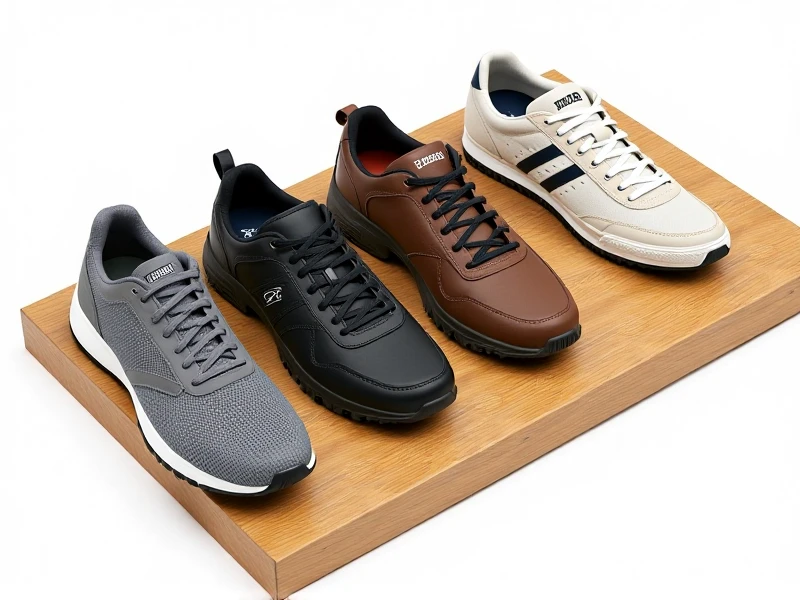
Finding Your Perfect Pair: A Runner's Guide to Choosing Running Shoes
Selecting the right Running Shoes is crucial for every runner, whether you're a beginner hitting the pavement for the first time or a seasoned marathoner chasing a PR. Investing in proper footwear enhances performance, prevents injuries, and makes every mile more enjoyable. So, how do you find your perfect match?
First, consider your running style and gait. Do you overpronate, supinate, or have a neutral stride? Many specialty running stores offer gait analysis. This simple assessment observes how your foot strikes and rolls upon landing, guiding you towards Running Shoes designed for stability (overpronation), cushioning (supination), or neutral support.
Next, think about the terrain. Where will you primarily run?
- Road Running Shoes: Designed for asphalt and pavement. They're lightweight, flexible, and feature grippy rubber soles optimized for hard surfaces. Look for responsive cushioning.
- Trail Running Shoes: Built for rugged, uneven paths. They offer aggressive lugs for superior traction, reinforced toe guards against rocks and roots, and often more protective cushioning. Stability and waterproof versions (like Gore-Tex) are common.
- Cross-Training/All Terrain Shoes: Offer versatility if you mix road, light trails, and gym workouts.
Distance matters immensely. Long-distance runners benefit from maximum cushioning and technologies focused on energy return to reduce fatigue over miles. Speedsters targeting shorter distances or track workouts often prefer lighter, more responsive, and minimally cushioned Running Shoes (sometimes called "racing flats" or tempo shoes).
Fit is non-negotiable. Your feet swell during running. Aim for roughly a thumbnail's width of space between your longest toe and the shoe's end. Ensure a secure (not tight) hold in the heel and midfoot, allowing your toes to splay naturally. Try shoes on later in the day when feet are larger and wear the socks you run in. Walk and ideally jog around the store. Listen to your feet!
Prioritize cushioning and support based on your needs and preferences:
- Maximum Cushion: Plush, soft rides absorbing substantial impact. Ideal for long distances or runners needing extra joint protection.
- Moderate Cushion: The most popular choice, offering a balance of comfort, responsiveness, and weight.
- Minimalist/Barefoot: Mimics natural running with minimal cushioning and drop (heel-to-toe height difference). Requires adaptation.
Don't forget durability. Quality Running Shoes are an investment. Check the outsole material (carbon rubber is durable) and overall build quality. Replace them every 300-500 miles as the cushioning and support deteriorate, even if they look fine.
Ultimately, the best Running Shoes for you feel great from the first step and disappear beneath you, letting you focus on your run. Visit a reputable running specialty store for expert advice and take the time to find the pair that turns running into pure joy. Your feet – and your performance – will thank you.